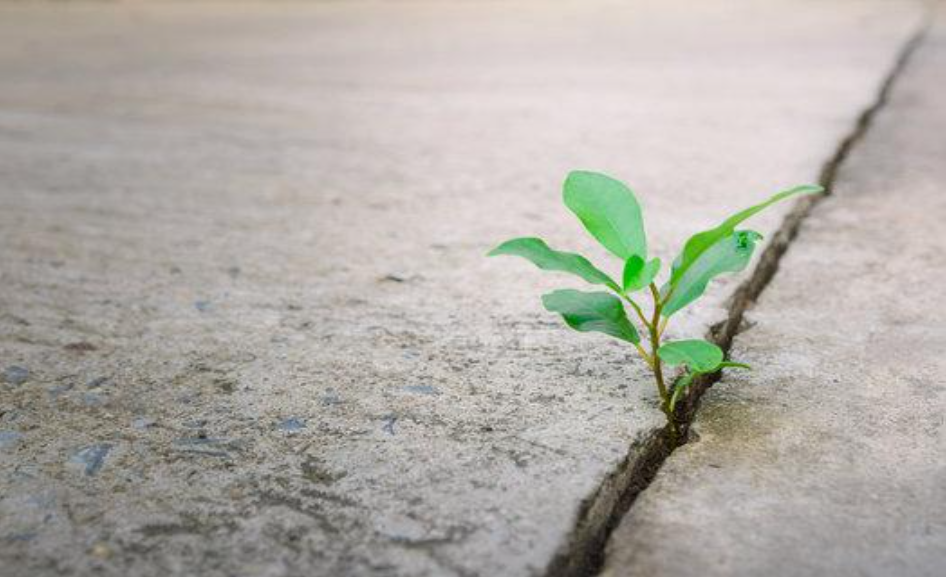
An evening walk in the neighborhood reveals an incredible diversity of plants growing in different places, even in the spots where no one could have planted them. But Plants cannot move on their own, so how do they spread across landscapes? The journey often begins with a tiny seed. Seeds are remarkable carriers of life, capable of travelling through wind, water, animals, and even explosive mechanism. Understanding seeds and their dispersal reveals how ecosystems grow, regenerate and sustain biodiversity.
A Seed and its importance for a plant.
The seed is the embryonic stage of the plant life cycle. Most seeds consist of three parts: embryo, endosperm, and seed coat. Seeds are dormant until they receive favourable conditions for germination, allowing plants to reproduce and establish new habitats.
The fascinating process through which seeds move away from the parent plant to new locations via different mediums for further reproduction is known as seed dispersal.
Methods of Seed Dispersal
Seeds can be dispersed by living organisms (biotic factors) or natural forces (abiotic factors). Plants have evolved different adaptations to make this possible.
Common methods of seed dispersal:
-
Wind Dispersal (Anemochory): Light seeds or seeds with wings or feathery structures are carried by the wind to new locations.
-
Water Dispersal (Hydrochory): Some seeds can float and are transported through rivers, streams, or ocean currents.
-
Animal Dispersal (Zoochory): Animals disperse seeds in several ways:
-
Eating fruits and later releasing the seeds.
-
Carrying seeds stuck to fur or feathers.
-
Transporting and dropping seeds while feeding.
-
Self-Dispersal (Autochory): Some plants release seeds through explosive or mechanical mechanisms, where the fruit bursts open and throw seeds away from the parent plant.
These dispersal strategies allow plants to spread across landscapes and ensure the continuation of plant life in different environments.
Why Seed Dispersal is Important
Seed dispersal is essential for the survival and spread of plant species. Since plants cannot move, seeds must travel away from the parent plant to grow successfully.
By spreading seeds to new locations, dispersal:
- Reduces competition for sunlight, water, nutrients, and space.
- Helps plants colonize new areas, especially after disturbances like fires or human activities.
- Maintains genetic diversity by connecting plant populations across landscapes.
- Supports ecosystem recovery and natural regeneration.
Even rare long-distance dispersal events can be extremely important, as they help plants reach new habitats and maintain biodiversity in fragmented ecosystems.
Conclusion
Seeds may be small, but they carry the potential for new life. Through seed dispersal, plants spread to new places where they can grow, survive, and continue their life cycle. This natural process not only helps plants reproduce but also supports biodiversity and the regeneration of ecosystems.
Understanding seed dispersal reminds us how small processes in nature play a big role in shaping healthy and thriving environments.
References
- https://www.nybg.org/planttalk/what-is-a-seed/
- Plant Seed: Structure, Types, Germination, Dispersals, Uses https://microbenotes.com/plant-seed/
- Seed Dispersal – An overview https://www.sciencedirect.com/topics/earth-and-planetary-sciences/seed-dispersal
- Seed Dispersal as a Multiphase Process: Integrating Abiotic and Biotic Vectors Across Ecological Gradients https://pmc.ncbi.nlm.nih.gov/articles/PMC12658464/#ece372564-sec-0034